Healing at the deepest level of the nervous system

Deep Brain Reorienting (DBR) is a relatively new and highly innovative approach to trauma therapy developed by Scottish psychiatrist Dr. Frank Corrigan. It is grounded in cutting-edge neuroscience — specifically in the understanding that traumatic shock and relational trauma are first registered not in the limbic system or cortex, but in the brainstem.

The brainstem — the oldest, deepest part of the brain — is where the orienting response lives. When something startling or threatening occurs, the brainstem fires first, before emotions, before thoughts, before any narrative can form. In trauma, this orienting response can become frozen. DBR works by tracking and completing these deep neurological sequences that got interrupted at the moment of overwhelm.

What makes DBR unique is how subtle and precise it is. It does not require you to revisit trauma in detail. Instead, we work with very early, pre-narrative body signals — the tension at the back of the skull, shifts in the breath, a quality of attention — to allow the interrupted orienting response to complete itself. When it does, something shifts at a fundamental level.

Book a Free Consultation
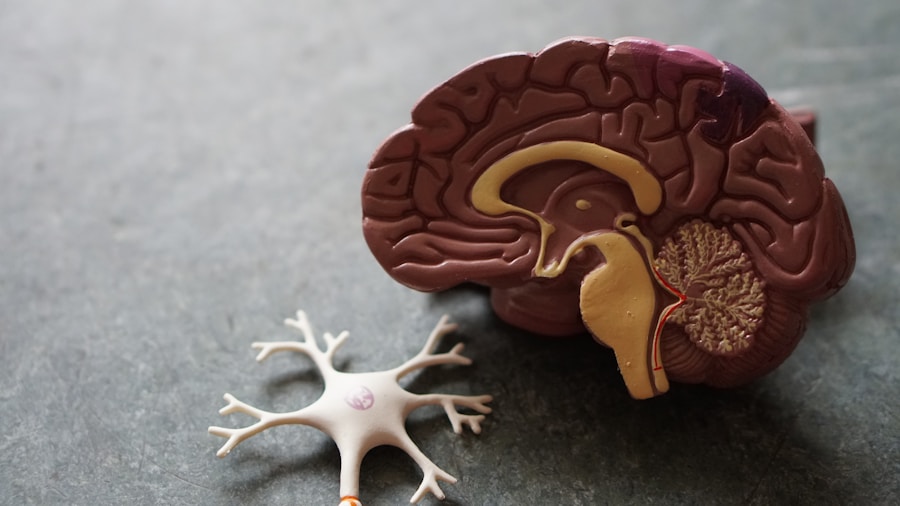
Quiet, grounded presence evoking deep inner stillness

When Deep Brain Reorienting may be particularly helpful

DBR is not a replacement for other trauma modalities — it is a powerful complement to them, particularly for certain presentations. I draw on it when other approaches may not be reaching the deepest layers of the nervous system.

Shock and attachment trauma

DBR was developed with complex, early relational trauma in mind. If your trauma predates language — or if traditional talk-based approaches seem to skim the surface without reaching the root — this may be worth exploring.

Difficulty tolerating activation

Because DBR works with very subtle, early neurological signals rather than full emotional activation, it can be particularly well-suited for clients who easily become overwhelmed in other trauma processing approaches.

Persistent somatic symptoms

Chronic tension at the back of the neck or head, unexplained physical reactivity, or a persistent sense of bracing — these can be signals of a stuck orienting response. DBR addresses these at their neurological source.

As part of an integrative approach

I often weave DBR alongside EMDR, somatic therapy, and psychodynamic work — using each modality where it is best suited in the arc of our work together. The brain heals at multiple levels; the approach should reflect that.

← Back to all approaches